Wondering whether you should live closer to Huntington’s harbors or farther inland? It is a smart question, because in Huntington, your day-to-day lifestyle can change a lot depending on where you land. If you are trying to balance commute, home style, parking, recreation, and access to the water, this guide will help you compare the tradeoffs more clearly. Let’s dive in.
Harbor-Adjacent Versus Inland Huntington
In Huntington, “harbor-adjacent” usually brings to mind areas like Halesite and Huntington Harbor, Huntington Bay, Centerport, and Cold Spring Harbor. “Inland” often refers to places like Huntington Station, South Huntington, Dix Hills, Melville, and other neighborhoods set farther back from the shoreline.
That said, these are practical lifestyle groupings, not official neighborhood boundaries. They are based on the Town’s geography, planning materials, and how different parts of Huntington function day to day.
What Harbor-Adjacent Living Feels Like
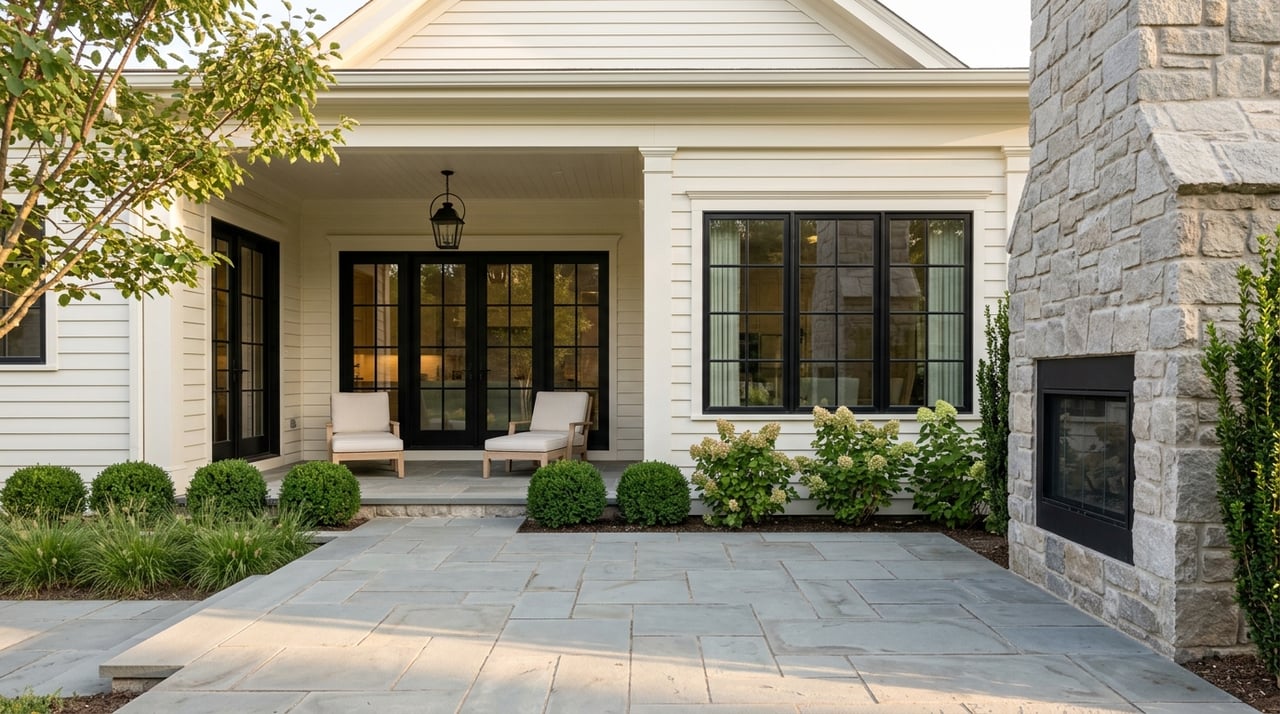
If you picture porches, water views, older streetscapes, and quick access to beaches or boating, harbor-adjacent Huntington tends to fit that image. Several shoreline areas are defined by their relationship to the water, and that often shapes both the look of the homes and the rhythm of everyday life.
In Halesite, for example, the East Shore Road area is described in the National Register as a small residential enclave with many modest homes that feature late-19th-century details and porches oriented toward harbor views. In Cold Spring Harbor, historic districts along Harbor Road, Shore Road, and Main Street include wood-frame homes with Federal, Greek Revival, Queen Anne, Italianate, Gothic Revival, and Shingle-style details.
You also tend to see a more compact shoreline pattern in some of these areas. Huntington Bay, for instance, is highly residential, with about 600 homes in roughly 1.2 square miles, along with shoreline-oriented amenities such as a yacht club, a beach and tennis club, and beach associations.
What Inland Huntington Feels Like
Inland Huntington often offers a different kind of daily routine. Instead of a shoreline-centered setup, you are more likely to find neighborhoods shaped by driveways, garages, larger lots in some sections, and easier car-based errands.
The Town’s comprehensive plan describes some inland neighborhoods as having sidewalks, connected street grids, and lot sizes under one acre. It also notes that other areas have larger lots and a more suburban-to-rural feel, with lower accessibility if you are not driving.
Across much of Huntington, residential development is predominantly single-family, and low-density lot sizes generally range from one-half to two acres. That does not mean every inland neighborhood looks the same, but it does help explain why inland living often feels more spread out and car-oriented.
Home Styles and Lot Patterns
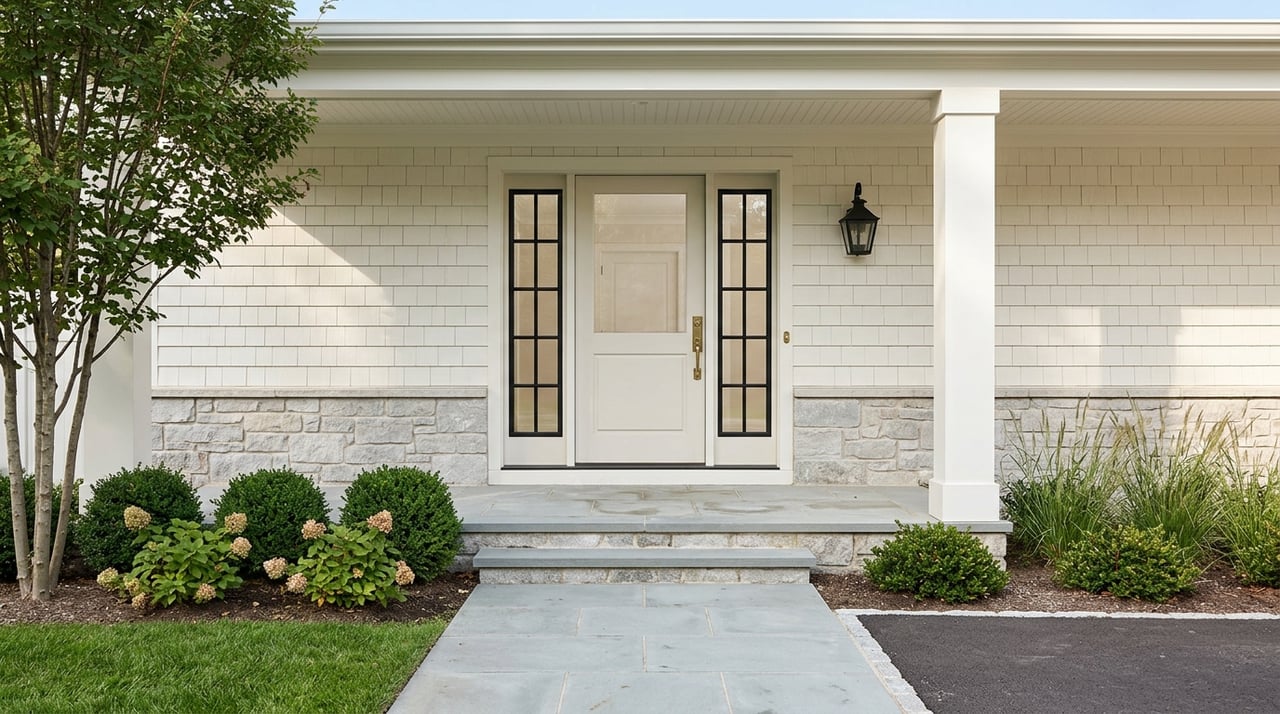
One of the clearest differences between these two lifestyles is the housing stock itself. Harbor-adjacent neighborhoods often have older homes with distinct architectural character and a stronger visual connection to the shoreline.
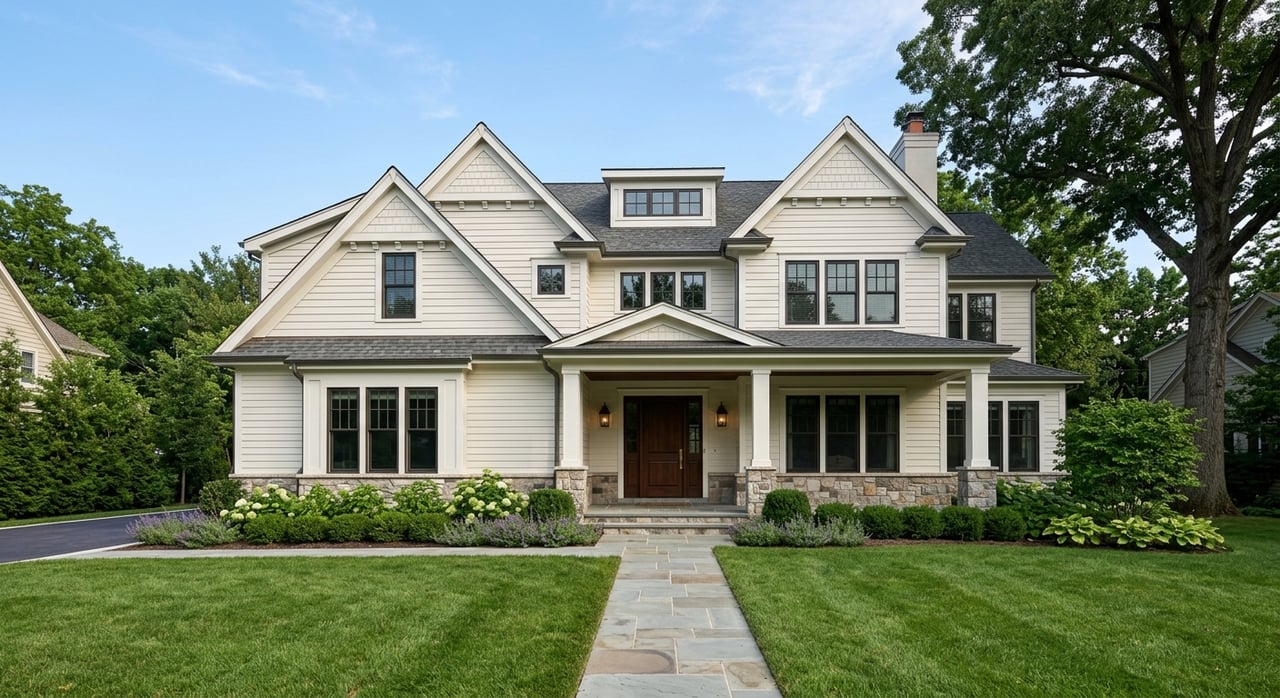
Inland areas can feel more varied in a suburban sense. A current Huntington Station neighborhood snapshot points to ranches, Cape Cods, hi-ranches, split-levels, and colonial-inspired homes, with smaller lots near the train tracks and somewhat larger lots toward the edges.
For buyers, this means your search may look very different depending on your priorities. If charm, older architecture, and water-oriented surroundings matter most, you may focus near the harbor. If you want a more conventional suburban setup, inland areas may offer a better fit.
Parking and Daily Convenience
Parking is one of the most practical lifestyle differences in Huntington. It may not be the first thing you think about when browsing listings, but it can have a real effect on your routine.
In Huntington Village, the Town currently lists app-based metered parking with a three-hour limit. For train commuters, permits are required Monday through Friday at the Huntington, Cold Spring Harbor, Greenlawn, and Northport Long Island Rail Road lots, and the Town’s planning materials note that parking is a concern in Huntington Village.
At Huntington Station, the issue is often less about total supply and more about how far available spaces may be from the boarding location. By comparison, many inland neighborhoods tend to support a more straightforward driveway-and-garage lifestyle, which can feel simpler if you drive most places.
Walkability, Dining, and Downtown Access
If walkability is high on your list, not every part of Huntington will deliver the same experience. Some areas are built around village or hamlet centers, while others are better suited to a drive-first routine.
Huntington Village is the strongest example of a walkable downtown lifestyle. The Town identifies it as a desirable destination for shopping, dining, and working on foot, and describes village and hamlet centers as places where residents gather, dine out, and spend time in the evening.
Heckscher Park helps anchor that village environment, and nearby arts and cultural destinations include the Huntington Arts Council, Cinema Arts Centre, and The Paramount. If your ideal lifestyle includes dinner out, a park stroll, and cultural events within the same general area, this part of Huntington stands out.
Cold Spring Harbor offers a smaller-scale version of that experience. Its village includes a compact business area along Route 25A with a cluster of restaurants, shops, and cultural attractions, which can appeal if you want a shoreline setting with a more intimate commercial core.
Shoreline Access and Outdoor Recreation
For direct access to beaches, boating, and waterfront recreation, harbor-adjacent living has a clear advantage. Huntington Town maintains multiple beaches, including Centerport, Fleets Cove, Crescent, Gold Star Battalion, Hobart, West Neck, Asharoken, and Crab Meadow.
The Town’s boat-rack program is also available at several beaches, including Centerport, Fleets Cove, Gold Star Battalion, Hobart, West Neck, Crab Meadow, and Crescent. In a place like Centerport Park and Beach, you also get lifeguarded swimming, kayak racks, tennis, volleyball, bocce, a picnic pavilion, a playground, and a 0.6-mile loop trail across about 30 acres.
The Town also emphasizes boating safety in the Huntington and Northport Bay complex, Cold Spring Harbor, and Long Island Sound, with Bay Constables handling navigation and marine law enforcement functions. If being near the water is not just a view preference but part of how you want to spend weekends, harbor-adjacent areas offer a different level of access.
Inland neighborhoods still have strong recreation options, but they tend to be park-centered rather than shoreline-centered. The Town highlights places such as Manor Field Park in Huntington Station and Dix Hills Park, which includes two ice rinks, an outdoor Olympic-size pool, a nine-hole golf course, and 152 acres of parkland.
Commuting Patterns to Consider
Your commute may point you toward one side of Huntington over the other. The right fit often depends on whether you rely more on the Long Island Rail Road, local bus routes, or major road corridors.
The Town’s HART bus network connects Huntington, Huntington Station, Centerport, Halesite, Greenlawn, South Huntington, and Cold Spring Harbor through routes including the H10, H20, H30, and H40. That can be helpful if you want another local transit option beyond driving.
For drivers, the Town’s plan identifies Route 110, Jericho Turnpike, and the Long Island Expressway corridor in Melville as major auto-oriented access points. In general, inland areas may be especially appealing if your daily pattern revolves around major roads, while harbor-adjacent areas may be more attractive if shoreline setting and village access matter more.
Questions to Ask Before You Choose
As you narrow your search, it helps to move beyond broad labels and ask more specific block-by-block questions. In Huntington, small location shifts can make a noticeable difference.
A few smart questions to ask include:
- Which streets are actually walkable to dining or everyday errands?
- Is beach access public, permit-based, or tied to an association?
- Will your commute depend more on the LIRR, Route 110, Jericho Turnpike, or local roads?
- How much parking planning will you need for daily life or guests?
- Are you looking for shoreline character, larger lots, or a simpler suburban setup?
These questions matter because Huntington includes pedestrian-friendly village centers, shoreline enclaves, and larger-lot inland neighborhoods, all within the same town.
Which Lifestyle Fits You Best
Harbor-adjacent Huntington may suit you best if you value older homes, stronger water access, and a setting where the shoreline shapes the feel of the neighborhood. It can be especially appealing if you enjoy beaches, boating, village-style outings, or distinctive historic character.
Inland Huntington may be the better match if you prefer a more conventional suburban routine with easier parking, potentially larger lots in some areas, and direct access to major road corridors. It can also make sense if your lifestyle depends more on driving than on shoreline amenities.
The key is not deciding which option is “better.” It is figuring out which version of Huntington fits your everyday life, your commute, and the type of home experience you want most.
If you want help comparing specific Huntington neighborhoods, understanding how location affects lifestyle, or planning your next move with local guidance, connect with Team Levine.
FAQs
What does harbor-adjacent living in Huntington usually include?
- Harbor-adjacent living in Huntington usually refers to areas such as Halesite and Huntington Harbor, Huntington Bay, Centerport, and Cold Spring Harbor, where water access and shoreline setting often shape the neighborhood feel.
What does inland living in Huntington usually mean?
- Inland living in Huntington usually refers to areas farther from the shoreline, such as Huntington Station, South Huntington, Dix Hills, and Melville, where daily life is often more car-oriented.
Which Huntington areas are better for shoreline access?
- Harbor-adjacent areas are generally better for shoreline access, since they are closer to Town beaches, boating areas, and waterfront recreation.
Is Huntington Village walkable for dining and outings?
- Yes, Huntington Village is described by the Town as a walkable destination for shopping, dining, and evening activity, with nearby parks and arts venues.
How does parking differ in Huntington neighborhoods?
- Parking can require more planning near Huntington Village and train stations, where metered rules and commuter permit requirements apply, while many inland neighborhoods tend to offer a more traditional driveway-and-garage setup.
Which Huntington lifestyle is better for commuters?
- It depends on your route, since some buyers prefer inland access to major roads like Route 110, Jericho Turnpike, and the Long Island Expressway corridor, while others prioritize train access or proximity to village centers.