
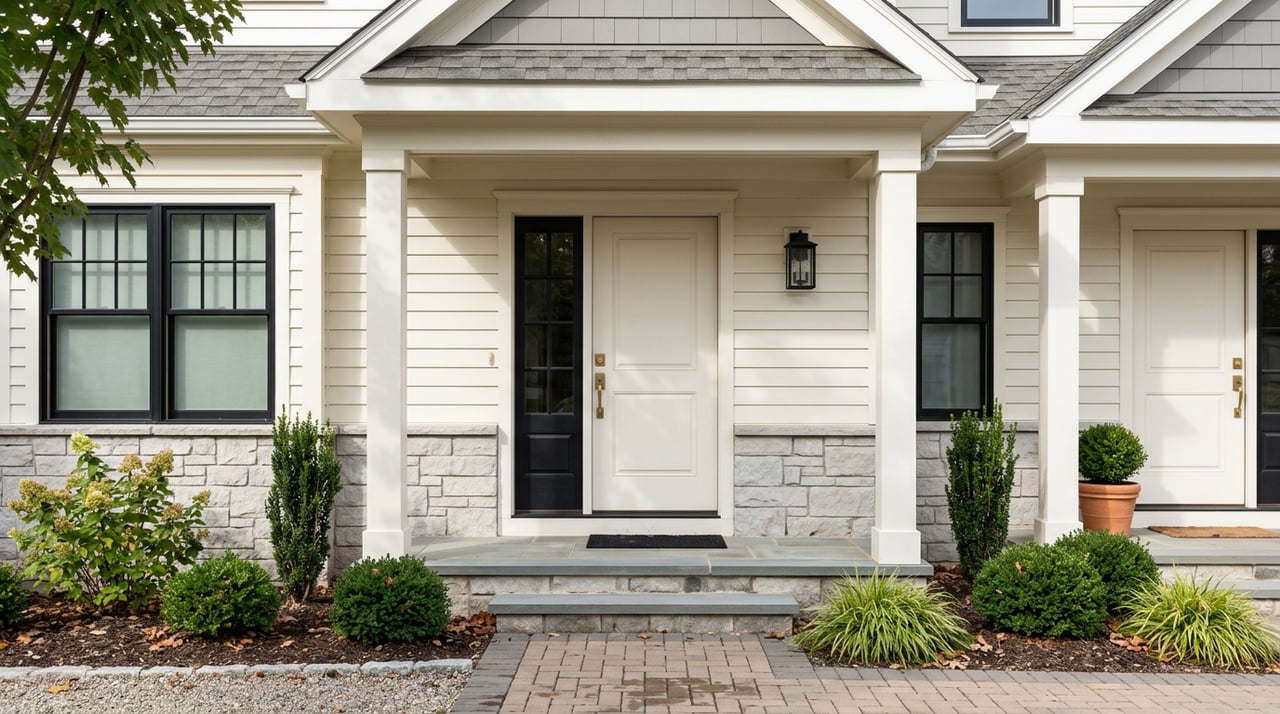
Thinking about a condo or townhouse in Syosset, 11791? You are not alone. Many buyers are drawn to low-maintenance living, strong commuter access, and the Syosset Central School District. In this guide, you will learn what condos typically cost, how common charges work, which financing checks can affect your closing, and the due diligence steps that protect you. Let’s dive in.
Why Syosset appeals
Syosset sits in the Town of Oyster Bay in Nassau County with easy access to Long Island amenities and major roadways. The area’s public schools are well regarded, and the district earns strong marks in independent reviews like the Niche rankings for Syosset Central School District. You also have nearby townhouse-style communities in Woodbury that feed similar demand for convenience and amenities.
If you are comparing towns, keep your focus on total monthly cost and day-to-day convenience. Many buyers find the tradeoff of a monthly HOA fee worthwhile for the reduced exterior maintenance and amenity access.
What condos and townhouses cost
Move-in-ready condos and townhouse-style homes in the Syosset and Woodbury area commonly sell in the roughly mid to high six figures up to the low seven figures. For 2 to 4 bedroom townhouse-style condos, a typical range is about $700,000 to $1.4 million, with newer or gated communities and homes with garages or finished basements trending toward the top of the range.
- Expect higher pricing for larger floor plans, attached garages, and recent updates.
- Gated or amenity-rich communities often command a premium.
- The overall ZIP 11791 median can look higher because it includes many single-family homes, so focus on condo and townhouse comps when you evaluate value.
Common charges vs. property taxes
Monthly HOA fees, often called common charges, vary widely by community and amenity level. In Syosset and nearby Woodbury, recent listings show fees ranging roughly from about $250 to $850 per month, with amenity-rich or gated communities at the higher end. These fees typically cover some mix of exterior and common-area maintenance, landscaping, snow removal, pool or clubhouse upkeep, property management, a master insurance policy, and sometimes utilities like water or hot water. For a quick overview of what these fees can include, see Investopedia’s guide to condo maintenance fees.
Property taxes are also a key part of your monthly budget on Long Island. Nassau County is known for higher property tax bills compared with many U.S. counties. Review local tax data and compare total monthly cost, not just the purchase price. You can reference area trends on sites like Ownwell’s Nassau County and Syosset property tax overview.
Tip: Ask the listing agent or HOA to provide a written breakdown of exactly what the common charges include. Small details, like whether water is included, can change your budget and your resale appeal later.
Financing: project approvals matter
When you finance a condo, the lender reviews the condominium project itself, not just your unit. This can affect whether you can use a standard conforming loan.
- Lenders use tools like Freddie Mac’s Condo Project Advisor and Fannie Mae’s Condo Project Manager to check project eligibility. Learn how lenders evaluate projects in Freddie Mac’s CPA FAQ and Fannie Mae’s CPM documentation.
- If you plan to use an FHA loan, confirm the project’s status on HUD’s FHA condominium lookup. FHA also allows limited single-unit approvals in many cases.
- Project-level flags around reserves, insurance, or structural issues can limit loan options or delay closing. Recent industry coverage notes tighter scrutiny of reserves and building condition, which makes early checks important. For context, see Brick Underground’s overview of project eligibility concerns.
Your action plan for financing
- Decide your likely loan type and down payment before you shop.
- Ask early about project eligibility for Fannie Mae, Freddie Mac, and FHA if relevant.
- Build extra time into your contract for the lender’s condo questionnaire and document review.
- If a project is ineligible for a specific loan, discuss alternatives with your lender right away.
Condos vs. co-ops: approval differences
Co-ops in New York often require a full board package and an interview, and boards can refuse buyers for lawful reasons. Condominiums usually require a buyer application and a right of first refusal, but they do not have the same gatekeeping power as co-ops. Even so, expect to provide financial information and complete a standard application. For a clear comparison of structures and approvals, see Brick Underground’s explainer on condos vs. co-ops.
Due diligence checklist you can use
Ask for these items as soon as you are serious about a unit. Many appear in a resale or estoppel package.
- Current year operating budget and the last two years of financial statements
- Reserve study or reserve summary, plus the association’s reserve funding policy
- Resale certificate or estoppel showing the unit’s balance and any pending assessments
- HOA meeting minutes for the past 6 to 12 months
- Master insurance declarations page, including limits and deductibles
- Condo declaration, bylaws, amendments, and house rules
- Pet policy, parking details, and any rental restrictions
- List of units in arrears and any ongoing or pending litigation
- Any available reports on structural or major system issues
- Management contract and major vendor agreements
For a plain-English overview of resale packages and estoppels, see PropLogix’s guide and TownSq’s explanation of HOA resale documents.
What to read carefully
- Reserves and upcoming projects. Low reserves increase the risk of special assessments. Lenders pay attention to this too.
- Insurance coverage. Understand what the master policy covers versus what you will insure on your HO-6 policy, including loss assessment coverage.
- Minutes and litigation. Meeting notes often reveal planned capital work, policy changes, or board friction that can affect costs and timing.
Operational questions to ask
Small policy details can affect your monthly cost and future resale.
- Are water, sewer, hot water, or heat included in the common charges?
- Who maintains HVAC or boiler systems and when were major components last replaced?
- What is the association’s delinquency rate and collection policy?
- Are there rental caps or minimum owner-occupancy rules?
- How does parking work for owners and guests?
- What are the current pet rules?
Resale and long-term value tips
Your future buyer will look for the same signals you see today. Strong school district context, functional layouts, storage and parking, and reasonable fees for the amenities provided can all support marketability. Healthy reserves, clear financials, and higher owner-occupancy also tend to help with lending, which expands the buyer pool.
Common pitfalls to avoid:
- Hidden or pending special assessments
- Weak reserves with big capital projects on the horizon
- Restrictive rental policies that sharply reduce the buyer pool
- Project-level ineligibility for common loan types that limits financing options
How to compare communities in 11791
As you tour Syosset and nearby Woodbury communities, keep a simple scorecard:
- Total monthly cost. Add mortgage, taxes, and HOA fees. Use reliable tax sources and confirm actual common charges with the management company.
- Amenities you will use. A clubhouse and pool are great if you will use them. If not, a lower-fee community might be the smarter fit.
- Condition and systems. Review minutes for roof, siding, paving, or mechanical projects. Ask about timelines and owner costs.
- Parking and storage. An attached garage or secure storage can be a major value add.
- Project approval status. Ask for confirmation of Fannie, Freddie, or FHA status if that affects your financing.
Smart next steps
- Get preapproved and discuss condo project reviews with your lender.
- Ask your agent to confirm HOA fee details and what they cover in writing.
- Request the resale package as soon as your offer is accepted and review it against this checklist.
- Build realistic condo-specific deadlines into your contract for questionnaires and document reviews.
You deserve clear guidance and a smooth process. If you want a local, hands-on team to help you compare communities, line up financing, and negotiate with confidence, connect with Team Levine. Request a free home valuation or schedule a consultation.
FAQs
What is the typical price range for condos and townhouses in Syosset 11791?
- Many 2 to 4 bedroom townhouse-style condos in Syosset and nearby Woodbury commonly trade from about $700,000 to $1.4 million, with size, updates, and amenities driving price.
How much are HOA common charges in Syosset condo communities?
- Recent listings show a wide range, roughly $250 to $850 per month, with gated or amenity-rich communities at the higher end and smaller amenity sets toward the lower end.
What do condo common charges usually cover in Nassau County?
- Common charges often include exterior and common-area upkeep, landscaping, snow removal, pool or clubhouse care, management fees, a master insurance policy, and sometimes utilities like water or hot water.
Why do lenders review the entire condo project instead of just my unit?
- Lenders must confirm the project meets eligibility standards for loans backed by Fannie Mae, Freddie Mac, or FHA, which helps them assess financial health, reserves, insurance, and risk at the building or community level.
How do I check if a Syosset condo is FHA approved?
- Search the project name or ZIP 11791 on HUD’s official FHA condominium lookup tool to verify current approval status or explore single-unit approval options.
What documents should I request before buying a condo in Syosset?
- Ask for the HOA budget and financials, reserve study, resale certificate or estoppel, recent meeting minutes, master insurance declarations, bylaws and rules, pet and rental policies, arrears and litigation lists, and any structural reports.
How do Nassau County property taxes affect condo affordability?
- Taxes are a significant part of your monthly cost on Long Island; compare mortgage, taxes, and HOA fees together and review local tax trends to avoid surprises.
What is different about board approvals for condos vs. co-ops in New York?
- Co-ops often require full board approval and an interview, while condos typically require a standard application and right of first refusal, which is usually a faster, less intrusive process.