Thinking about selling your Melville home but not sure when to list? Timing affects everything from buyer traffic to sale price, and it is one of the few things you can control. If you plan ahead by a few months, you can line up your prep, photos, and marketing to hit the most active stretch of the year. In this guide, you will learn how Melville’s seasons shape buyer activity, the ideal months to list, and a clear 3–6 month plan to get market-ready. Let’s dive in.
Melville’s market rhythm
Melville follows a classic Long Island suburban cycle. Buyer activity rises in spring, stays strong into early summer, slows through late summer and fall, and hits its lowest point in winter. Weather, school-year timing, and commuting patterns all play a role.
Spring: peak homebuying season
- Why it works: Better weather and longer daylight make showings easier. Landscaping and curb appeal look their best. Many families want to move before a new school year.
- What it means for you: Expect more showings, quicker offers, and stronger competition among buyers when inventory is tight.
- Practical tip: If you want to capture this surge, plan to list in March or early April. That usually means starting prep between December and February.
Late spring to early summer: still strong
- April through June stays active with motivated buyers who started in spring or need to close before summer.
- Open houses and weekday showings tend to remain busy through June, though more listings may hit the market.
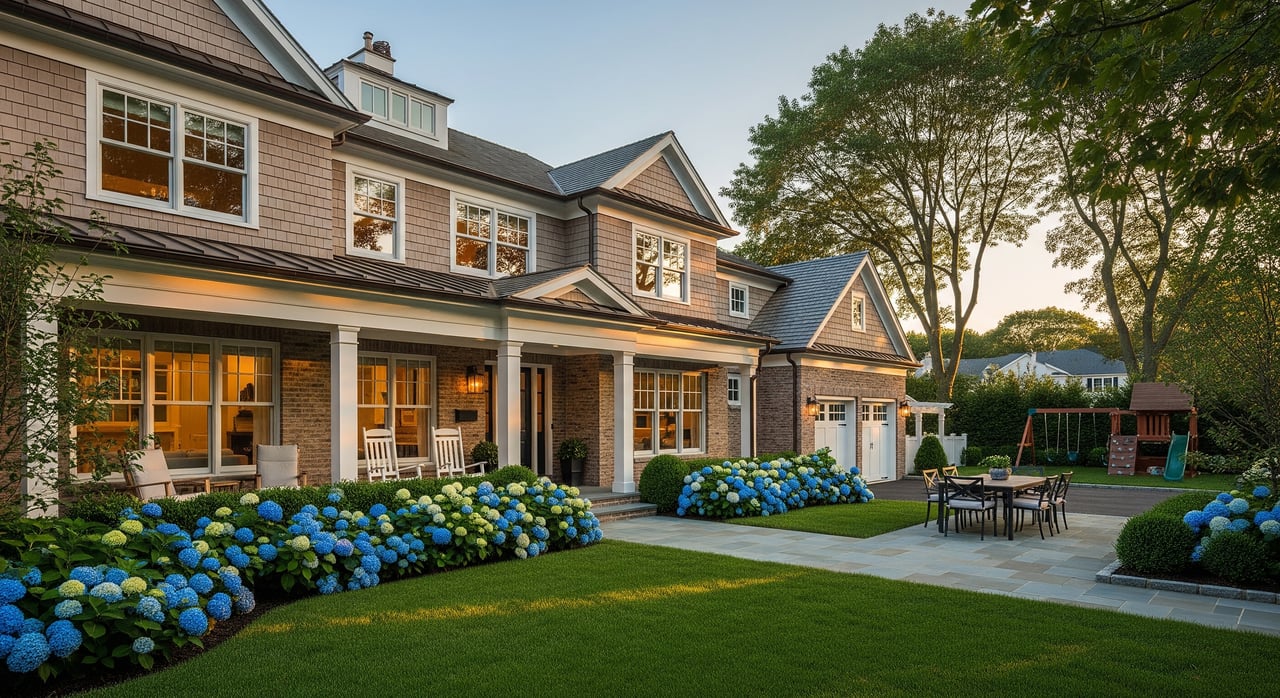
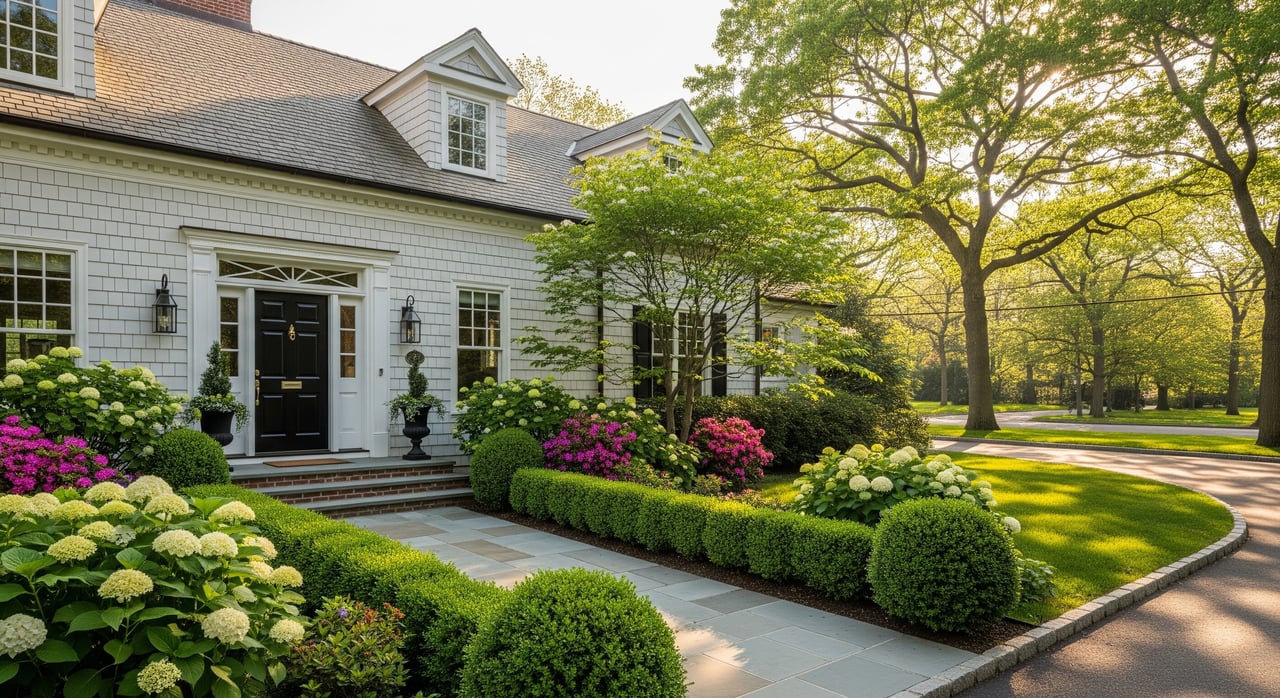
- Keep curb appeal fresh. Mulch, pruning, and seasonal flowers help your photos and first impressions.
Summer: variable but workable
- Showings can dip around holiday weeks and vacations, but many families still target summer moves.
- Longer daylight helps evening showings and outdoor features shine.
- Expect more competition from other listings. Price and presentation matter.
Fall: fewer buyers, focused motivation
- The buyer pool shrinks as school starts, but remaining shoppers are often relocation-driven or on a specific timeline.
- Well-priced homes with solid marketing can still sell quickly.
- If you are aiming for next spring, fall is a smart time to tackle bigger projects while contractors are available.
Winter: lowest traffic, lower inventory
- Cold, snow, and shorter days reduce showings and curb appeal. Motivated buyers remain in the market.
- Interior staging and quality photography become more important.
- A well-priced winter listing can stand out when inventory is low.
The best month to list in Melville
The short answer: aim for March or April. That window captures the spring surge and positions you to close in late spring or early summer. If you expect buyers with school-year timing, listing earlier in spring helps align closings before September.
Every situation is different. Mortgage rate trends and local inventory can shift buyer urgency. If rates rise, you may see a smaller buyer pool and need to be flexible on price or timing. If rates ease, competition can heat up and support faster results. A quick check of current local conditions before you set your date is smart.
Plan backward from your target date
If you want to list in April, start 3–6 months ahead. Working backward prevents last-minute stress and ensures your photos, staging, and pricing strategy are ready for launch.
5–6 months out (November–December)
- Research the market and interview 2–3 local agents.
- Consider a pre-listing inspection to uncover major issues early.
- Gather paperwork: recent tax bills, utility records, warranties, and permits.
- Set a budget for repairs, staging, and professional marketing.
3–4 months out (January–February)
- Complete major repairs: roof, HVAC, electrical, plumbing, or pest issues.
- Declutter and deep clean. Start donating, selling, or storing excess items.
- Refresh interiors where needed. Neutral paint, flooring touch-ups, updated lighting, and hardware go a long way.
- Schedule landscaping for early spring so curb appeal peaks before photos.
6–8 weeks out (late February–early March)
- Stage the home. Professional staging can be worth it, especially at higher price points.
- Book professional photos and a virtual tour. If possible, time exterior photos for late March to catch spring green-up.
- Finalize a pricing strategy and marketing plan with your agent, including open house timing and showing availability.
1–2 weeks out
- Final clean and touch-ups. Complete a pre-listing walkthrough.
- Confirm the plan for showings, offer review, and negotiation.
On-market, weeks 1–3
- Expect the most activity right away. Be ready for quick decisions.
- If showings are slow relative to local benchmarks, discuss a timely adjustment with your agent.
Selling off-peak and still winning
You can sell successfully in any season with the right plan.
Summer sale tips
- Keep lawn and plantings fresh. Water, edge, and add color for strong curb appeal.
- Leverage long evenings for showings. Highlight outdoor spaces.
- Expect more competing listings. Pricing should reflect recent comps.
Fall sale tips
- Appeal to motivated buyers with strong online presentation and flexible showing times.
- Keep exterior tidy. Clear leaves, tidy beds, and power wash as needed.
- Consider a quick refresh indoors. Warm, neutral tones and updated lighting help.
Winter sale tips
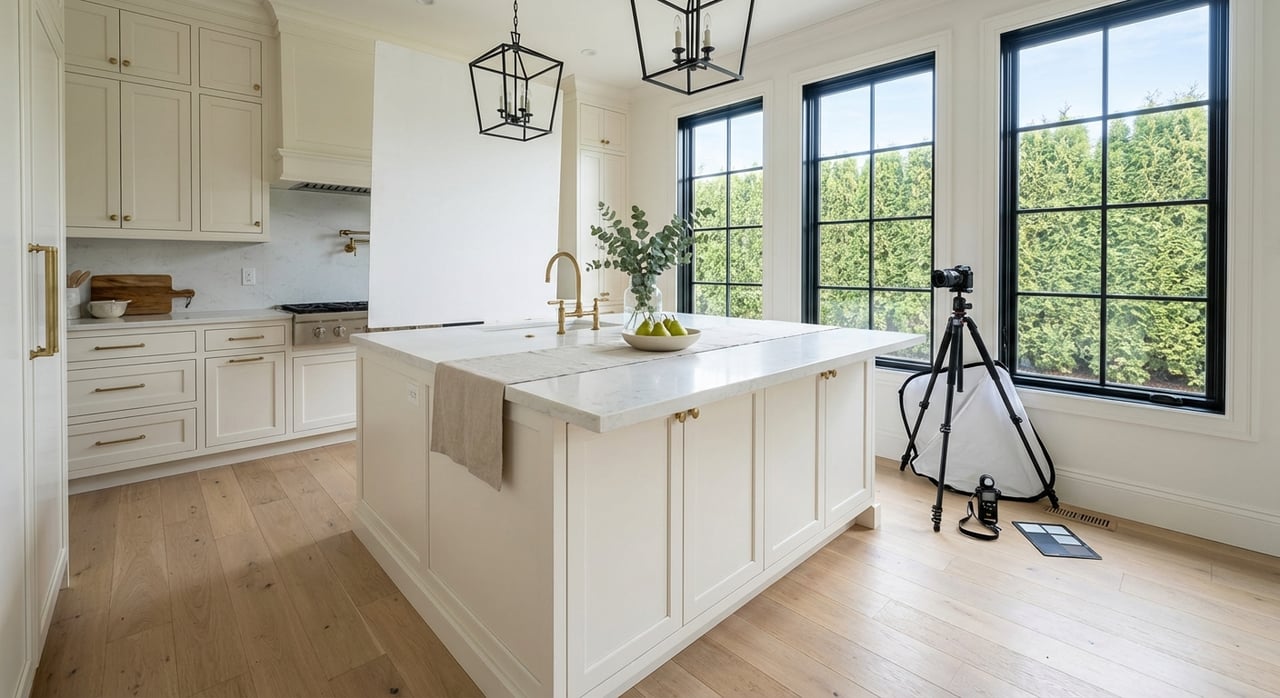
- Prioritize interior staging and lighting. Warm, clean, and bright spaces photograph well.
- Clear walkways and keep entries dry and safe for showings.
- Use a high-quality virtual tour to help buyers evaluate from home.
Curb appeal, showings, and photos by season
Melville’s winters are cold with occasional snow, spring green-up comes fast, and summers are warm and humid. These conditions influence how buyers experience your home.
- Best exterior photo window: late April through early fall. Plan paint touch-ups, power washing, and landscaping before photos.
- Showings: longer daylight in spring and summer supports evening and weekend traffic.
- Winter strategy: lean on interior presentation and great photography. A polished virtual tour increases engagement.
Quick readiness checklist
Use this simple list to get your home market-ready.
- Paperwork and disclosures
- Deed, recent tax bills, utility records, warranties, and any HOA or community documents.
- Safety and systems
- Service HVAC and water heater. Test smoke and carbon monoxide detectors. Secure railings and steps.
- Structural and maintenance items
- Fix leaks, roof issues, electrical or plumbing problems, and address any foundation or drainage concerns.
- Cosmetic improvements
- Neutral interior paint, flooring repairs, modern light fixtures, updated hardware, and decluttered rooms.
- Curb appeal
- Mow and edge lawn, mulch beds, trim bushes, pressure wash walkways and siding, and refresh the front entry.
- Staging and presentation
- Remove excess furniture and personal items to create space. Consider professional staging if needed.
- Marketing essentials
- Professional photography, floor plan, virtual tour, and a clear description that notes local amenities and commute options.
- Logistics
- Plan flexible showing windows. Arrange pet plans. Line up movers or storage if you need space for staging.
- Financial readiness
- Understand estimated closing costs and property tax proration. Ask about any potential tax implications.
Local data to watch before you list
Melville is a hamlet within the Town of Huntington, so local records and timing cues are close at hand. Before you finalize your date, review:
- MLS data via your agent for recent comps, inventory, and days on market.
- Suffolk County assessor and clerk records for property and tax history.
- Town of Huntington building and permit records to confirm improvements and compliance.
- Local school district calendars if you expect family-focused buyers.
- Current mortgage rates from active local lenders to gauge buyer demand.
These items help fine-tune pricing, preparation, and the week you go live.
How Team Levine helps you time it right
Choosing the right week can add momentum to your sale, but preparation is what turns interest into offers. We help you plan the full 3–6 month arc, from pre-listing inspection guidance and project prioritization to staging, photography, and launch strategy that fits Melville’s rhythm. We also monitor local comps, inventory, and rate trends so you can list with confidence.
Ready to map out your plan? Schedule a no-pressure strategy session. We will review your goals, recommended listing window, and a custom checklist to get you market-ready. Connect with Team Levine to request a free home valuation or schedule a consultation.
FAQs
What is the best month to sell a home in Melville?
- March or April typically capture the strongest buyer activity, helping you benefit from spring traffic and align closings for late spring or early summer.
Is winter a bad time to sell in Melville?
- Not necessarily. Buyer traffic is lower, but inventory often is too. A well-presented, well-priced listing can stand out to motivated winter buyers.
How far ahead should I start repairs for a Melville sale?
- Start major repairs 3–6 months before your target list date. This allows time for contractor scheduling, staging, and timely photography.
Do staging and professional photos matter in Melville?
- Yes. Strong presentation and photography help in every season and are especially important in winter when exterior appeal is limited.
How do mortgage rates affect the timing of my sale?
- Higher rates can reduce the buyer pool and may require price or timing flexibility. Lower rates can boost demand and support faster, stronger offers.